


Expert Screen Repair in St. Augustine: Restoring Your Pool and Patio Enclosure

Could a single rusted fastener or a tiny tear in your mesh be the weak link that compromises your entire pool cage during the next Northeast Florida gale? For homeowners seeking reliable screen repair st augustine, the coastal environment presents a unique set of challenges that go beyond simple aesthetics. You've likely spent many evenings swatting away no-see-ums that slip through brittle mesh, or noticed the telltale orange streaks of rust on your aluminum frame. It's frustrating to feel like your outdoor sanctuary is losing its battle against the relentless salt air and humidity.
We understand that maintaining a structurally sound enclosure is about protecting your investment and your peace of mind. In this guide, you'll learn how to identify signs of screen fatigue and why choosing coastal-grade materials is essential for longevity in our climate. We will also help you determine when your enclosure requires a simple patch versus a more comprehensive restoration to meet Florida Building Code standards. From selecting high-strength polyester mesh to replacing compromised Tapcons, we'll provide the technical clarity you need to ensure your patio remains a bug-free, storm-ready retreat.
Table of Contents
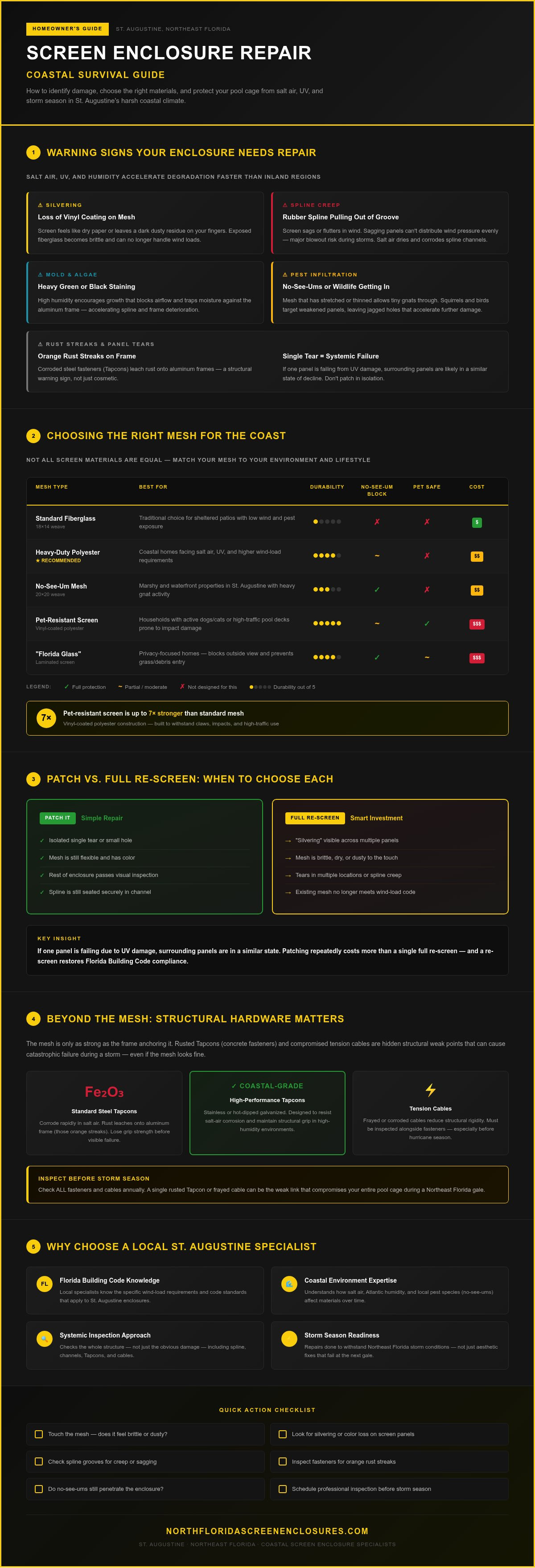
Signs Your St. Augustine Screen Enclosure Needs Professional Repair
St. Augustine's unique coastal environment puts a tremendous amount of stress on aluminum enclosures and their mesh components. Sunlight, salt air, and high humidity work together to degrade materials faster than in inland regions. Reliable screen repair st augustine is often a matter of timing; catching small issues early prevents the need for a full structural overhaul later. Homeowners should regularly inspect their pool cages and lanais for specific indicators of material fatigue.
One of the most prominent signs of aging is "silvering." Silvering is the loss of the protective vinyl coating on mesh. When this coating wears away, the fiberglass core is exposed to the elements, making the screen brittle and prone to tearing. If you touch your screen and it feels like dry paper or leaves a dark, dusty residue on your fingers, the mesh has reached the end of its functional life. This brittleness means the screen can no longer withstand the wind loads common in Northeast Florida.
Beyond structural tension, the humid climate encourages the growth of mold and algae. While some buildup is expected, heavy green or black staining on the mesh blocks airflow and traps moisture against the aluminum frame. This moisture can eventually lead to the deterioration of the spline, the rubber cord that holds the screen in place. While a single small tear might seem like a minor nuisance, it often indicates a broader systemic failure of the mesh material itself. If one panel is failing due to UV damage, the surrounding panels are likely in a similar state of decline.
Visual Cues of Coastal Wear and Tear
Professional screen repair st augustine specialists often look for "spline creep" during an inspection. This occurs when the rubber spline begins to pull out of the aluminum groove, causing the screen to sag or flutter in the wind. This isn't just an aesthetic issue; sagging panels lose their ability to distribute wind pressure evenly, which increases the risk of a blowout during a storm. Salt air accelerates this process by drying out the rubber spline and corroding the channel where it sits, leading to a loose, unprofessional appearance that compromises the entire structure's integrity.
When Pests Become the Primary Indicator
A well-maintained screened porch serves as a vital transition between your home and the outdoors. If you notice an influx of tiny gnats or "no-see-ums" inside your enclosure, your mesh has likely stretched or thinned. Standard fiberglass mesh can lose its weave density over time, creating gaps large enough for local pests to penetrate. This "no-see-um test" is a clear sign that your enclosure is no longer providing the protection you expect.
Wildlife also plays a role in identifying damage. Squirrels and birds often target weakened screens to gain access to the enclosure, leaving behind jagged holes that require immediate attention. Once the barrier is breached, you'll likely see an increase in leaves, pine needles, and other debris accumulating in your pool or on your patio. This extra debris doesn't just create more work; it can clog pool filters and stain concrete surfaces, turning a simple screen issue into a more expensive maintenance problem.
Choosing the Right Mesh for the North Florida Coast
Selecting the right materials for a screen repair st augustine project requires an understanding of how different mesh types react to the Atlantic coast's unique conditions. While standard 18x14 fiberglass mesh is the traditional choice for many homes, it often falls short in durability when faced with high-velocity winds and constant salt exposure. Standard mesh often falls short. It simply can't handle the relentless salt air for more than a few years. For homeowners looking for a longer-lasting investment, heavy-duty polyester options offer significantly higher tear strength and resistance to UV degradation.
In St. Augustine's marshy and waterfront areas, tiny biting gnats are a constant nuisance. We recommend No-See-Um mesh, which features a tighter 20x20 weave specifically designed to block these smaller insects without completely sacrificing airflow. For households with active pets or high-traffic pool decks, pet-resistant screening is a specialized vinyl-coated polyester that is up to seven times stronger than standard mesh. If privacy is a concern, "Florida Glass" provides a laminated screen that blocks the view from the outside while also preventing dirt and grass clippings from entering the enclosure.
Durability vs. Visibility: Finding the Balance
Choosing a denser mesh often involves a trade-off between protection and visibility. A tighter weave like the 20x20 no-see-um mesh provides superior insect defense but can slightly reduce the breeze and the clarity of your backyard view. However, modern polyester-coated screens have improved significantly; they maintain a crisp look for years without the "silvering" effect common in cheaper materials. These high-performance screens are engineered to resist brittle-fracture during temperature shifts, ensuring the panels stay tight and secure within the frame.
Specialty Screening Solutions
For west-facing patios that absorb intense afternoon heat, solar screening can block up to 90% of the sun's rays, significantly reducing the temperature of your outdoor living space. We often suggest brands like TuffScreen for homeowners who want the maximum possible lifespan from their enclosure. These materials are part of a larger system that includes corrosion-resistant hardware to ensure the entire structure remains sound. If you're ready to upgrade your outdoor environment, our specialists can guide you through the best screen enclosure repairs for your specific location. Using the right coastal-grade materials is the only way to guarantee your patio withstands the next major storm season.
Screen Patching vs. Full Rescreening: A Cost-Benefit Analysis
When faced with a tear, your first instinct is likely to look for the most immediate fix. For a recent accident on a relatively new enclosure, a simple patch is a viable short-term solution. However, when you're considering screen repair st augustine for older structures, the decision becomes more complex. Patching one area often reveals that the surrounding mesh is equally compromised and brittle. Leaving even one panel open creates a structural vulnerability; open sections allow wind to enter and exert internal pressure on the remaining panels, which can lead to a catastrophic blowout during a storm.
A common pitfall for homeowners is the "panel-by-panel" approach. While the per-panel price might seem lower, the cumulative cost of multiple service calls and labor setups quickly exceeds the price of a complete re-screen. Additionally, age-matching becomes a significant issue. New mesh is dark and crisp, while older mesh has likely faded to a gray or "silvered" tone. A patched enclosure often looks like a patchwork quilt, which detracts from the professional appearance of your home and reduces overall curb appeal.
The Limitations of DIY Patch Kits
Many retail stores sell adhesive-backed patch kits that promise a quick fix. In the intense St. Augustine humidity, these adhesives frequently fail within weeks. The edges curl, attracting dirt and further weakening the bond. Beyond the functional failure, these patches are highly visible and don't match the texture of high-quality coastal mesh. For a result that maintains the integrity of your space, it's better to consult a specialist for Expert Pool Enclosure Repair in St. Augustine rather than relying on temporary stickers that won't withstand a heavy Florida downpour.
Investing in a Complete Re-screen
A complete re-screen is often the most fiscally responsible choice for enclosures over eight years old. This process allows for a comprehensive safety inspection of the entire aluminum frame. Technicians can identify failing fasteners or loose cables that a single-panel repair would overlook. The financial benefits of a full restoration include:
Bulk Material Pricing: Lower costs per square foot compared to individual panel rates.
Uniform Tension: Ensures the entire structure reacts predictably to high wind loads.
Aesthetic Consistency: Guarantees a perfectly matched color and texture across the whole cage.
This investment significantly boosts curb appeal and home resale value. A "like-new" enclosure suggests a well-maintained property to potential buyers and provides peace of mind during hurricane season. Choosing a full restoration ensures your pool area remains a bug-free sanctuary for another decade. Professional screen repair st augustine services prioritize this long-term durability over quick, superficial fixes.
Beyond the Mesh: Replacing Rusted Tapcons and Cables
While many homeowners focus on the condition of the mesh, the true integrity of a pool cage depends on the hardware holding it together. In our coastal environment, rusted Tapcons represent the single greatest threat to structural stability. These fasteners secure the aluminum tracks to your concrete deck. When they fail, the entire enclosure loses its anchor point. During high winds, a cage with compromised fasteners can lift or shift off its foundation, leading to a total collapse that costs significantly more than a standard screen repair st augustine service. Catching these hardware failures early is essential for safety.
The Science of Salt-Air Corrosion on Fasteners
Salt air acts as a catalyst for galvanic corrosion, a process that occurs when two dissimilar metals, like steel screws and aluminum frames, come into contact in a moist environment. The steel fastener essentially sacrifices itself, rusting from the inside out until the head snaps off. This leaves the frame completely unsecured. We prioritize the use of Nylo-Tec or other high-performance, coated fasteners that provide a protective barrier between the metals. This technical detail is a critical component of Tapcon Replacement for Pool Cages, ensuring that your hardware lasts as long as your new mesh panels.
Ensuring Structural Tension and Safety
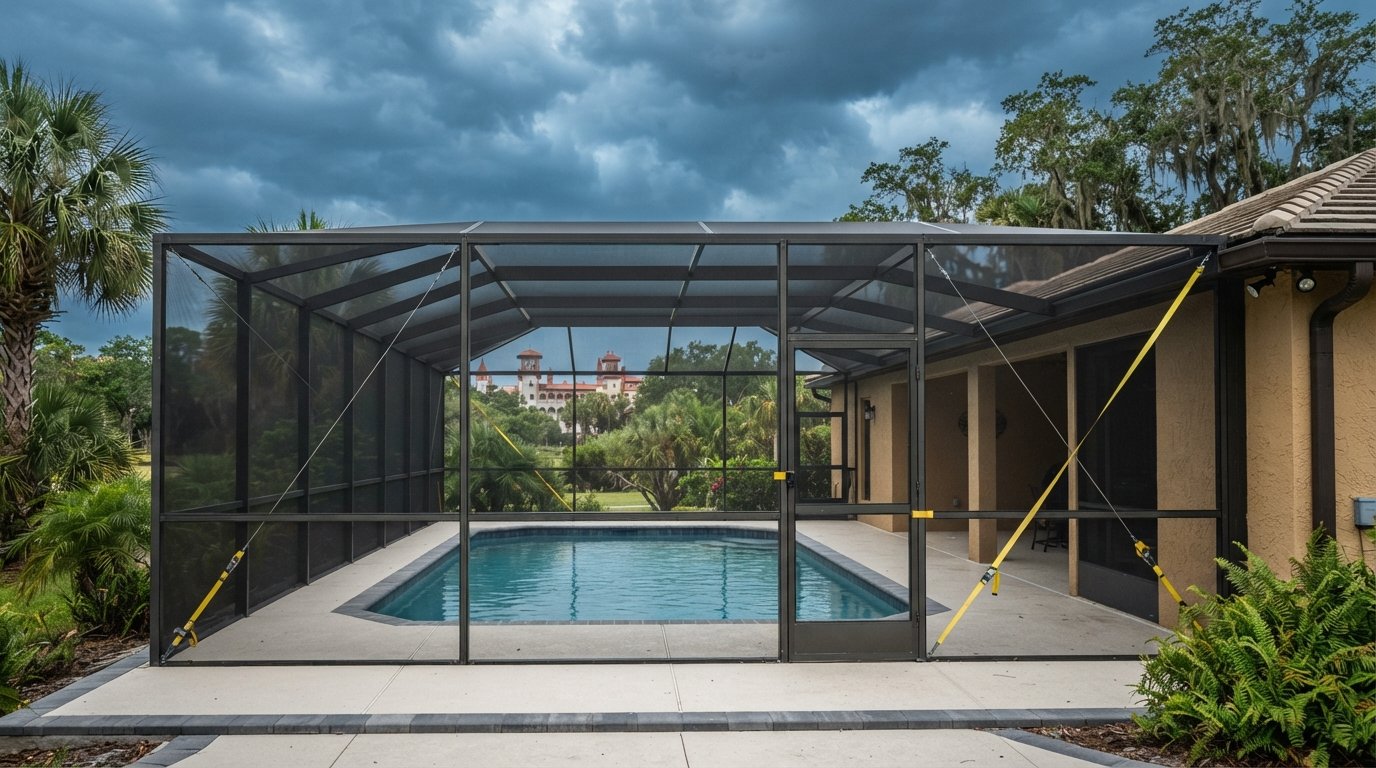
Structural cables are equally vital to the health of your enclosure. These perimeter lines keep the structure square and prevent the aluminum members from twisting under heavy pressure. You should regularly inspect these cables for fraying, rust, or slack. A loose cable indicates that the tension of the cage is uneven, which makes it vulnerable to the rhythmic buffeting of tropical storm winds. Our comprehensive repair process includes a full tension check and the replacement of any corroded support lines to restore the cage's original engineering specs.
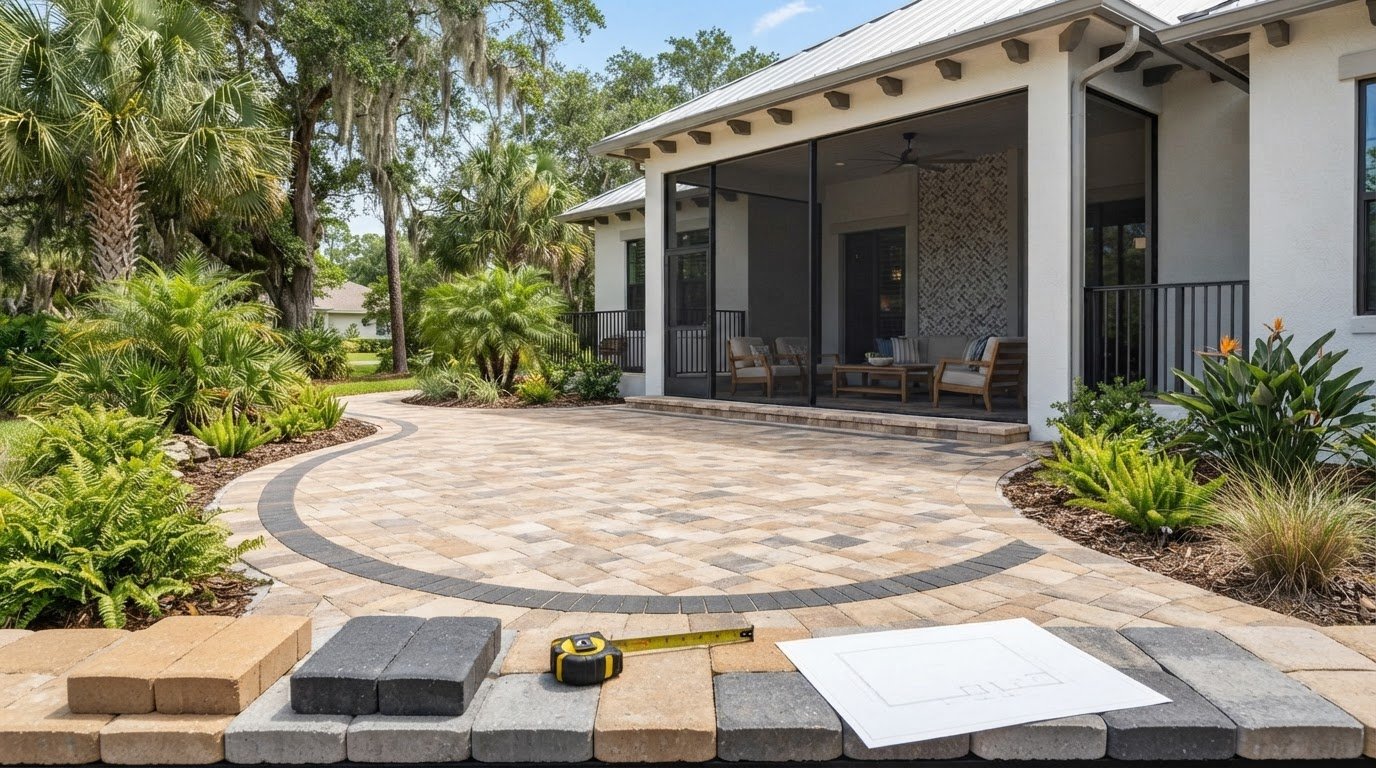
The replacement process involves carefully extracting the old, corroded screws without damaging the aluminum tracks. We then clean the pilot holes and install the new coastal-grade hardware with precision. This methodical approach ensures the frame is tightly bonded to the concrete once again. We also examine the footing where the enclosure meets the ground, as cage vibrations can cause concrete cracks or loosen anchors over time. If you notice rust stains bleeding onto your pavers, it's a clear sign that the internal steel is oxidizing. Addressing these hardware issues is a standard part of our professional approach to screen repair st augustine. If you are concerned about the stability of your cage, you can schedule a professional inspection for Tapcon replacement to secure your investment before the next storm hits.
Why Choose a Local St. Augustine Screen Repair Specialist?
Selecting a contractor for your screen repair st augustine project involves more than just finding the lowest price. Aluminum pool cages and patio enclosures are engineered structures that must withstand specific wind loads and environmental pressures. A general handyman might understand how to replace a single panel, but they often lack the specialized knowledge required to maintain the structural integrity of a large-scale cage. Choosing a local specialist ensures that every repair, from a simple rescreen to a complex hardware replacement, aligns with the technical demands of the North Florida coast.
Specialized aluminum contractors bring a level of precision that general home repair services cannot match. We understand the nuances of spline tension and how it affects the longevity of your mesh. If a screen is pulled too tight, it can warp the aluminum members; if it's too loose, it will flutter and eventually pull out during a summer storm. Our team focuses exclusively on these outdoor structures, giving us a deep understanding of how salt air interacts with different alloys and coatings over time. This expertise allows us to provide solutions that aren't just temporary fixes but long-term investments in your home's resilience.
Local Expertise in the North Florida Climate
St. Johns County has specific building codes designed to protect homeowners from the catastrophic effects of hurricanes. Working with a local expert means your enclosure will always meet or exceed these requirements. We stay current on the Florida Building Code, ensuring that every panel we replace and every fastener we install contributes to a storm-ready structure. Our history of serving the St. Augustine community has taught us which materials truly survive the marshy humidity and which ones fail prematurely. For those considering a full project, our Custom Pool Enclosure Installation in Saint Augustine guide provides a deeper look at these regional standards.
Getting Started with North Florida Screen Enclosures
When you contact us for an estimate, you can expect a methodical and thorough site inspection. We don't just count panels; we examine the condition of your primary support cables, the health of your Tapcons, and the alignment of your doors. This comprehensive approach allows us to provide an accurate screen repair st augustine quote that addresses both visible damage and underlying structural issues. We're committed to using only high-durability, coastal-grade materials that stand up to the relentless UV exposure and salt spray of our region. If you're ready to restore the safety and beauty of your outdoor living space, Schedule your screen repair consultation today to receive a professional assessment from a team that values quality craftsmanship and local accountability.
Securing Your Outdoor Sanctuary for the Long Term
Maintaining a functional pool or patio enclosure in Northeast Florida requires a proactive approach to material fatigue. We have explored how the relentless salt air and UV exposure can compromise even the sturdiest structures. From recognizing the early warning signs of mesh degradation to understanding why coastal-grade hardware is a non-negotiable requirement for storm safety, the path to a durable patio is clear. Investing in professional screen repair st augustine ensures your outdoor space remains a bug-free retreat that is fully prepared for the pressures of storm season.
As a locally owned St. Augustine specialist, North Florida Screen Enclosures provides the technical expertise required for hurricane-rated aluminum structures. Our comprehensive repair process includes professional Tapcon and cable replacement to guarantee your cage remains firmly anchored to its foundation. Don't wait for a minor tear to become a major structural vulnerability. You can Request a Free Screen Repair Estimate from North Florida Screen Enclosures today to secure your investment. We look forward to restoring your peace of mind with craftsmanship that stands the test of time.
Frequently Asked Questions
How much does it cost to repair a single screen panel in St. Augustine?
The cost for replacing a single panel varies based on the size of the section and its height on the structure. Ground-level wall panels are generally the most affordable; however, roof panels or those requiring specialized equipment for height access involve higher labor requirements. We recommend evaluating the condition of surrounding sections, as individual repairs can become less cost-effective than a partial or complete re-screen if the mesh is aging.
Can I change my mesh type during a repair or re-screen?
You can absolutely upgrade your mesh type during any screen repair st augustine project or a full rescreening. This is the ideal time to transition from standard fiberglass to high-durability polyester or specialized no-see-um mesh. Many homeowners in marshy areas of St. Augustine choose to switch to a tighter weave to prevent small biting insects from entering their outdoor living space while maintaining structural integrity and airflow.
How long does a typical pool enclosure screen last in Florida?
A typical fiberglass pool enclosure screen in Florida generally lasts between seven and ten years before UV exposure and salt air cause significant brittleness. However, high-performance materials like polyester mesh can extend this lifespan significantly, often lasting fifteen years or more with proper maintenance. Factors such as proximity to the ocean and the amount of direct sunlight the enclosure receives will impact the overall durability and strength of the materials.
Is screen repair covered by my homeowner's insurance after a storm?
Whether screen repair is covered by homeowner's insurance depends entirely on your specific policy and the nature of the storm damage. While many policies cover the aluminum frame of a hurricane-rated structure, the screen mesh itself is often considered a wear-and-tear item and may be excluded. We recommend reviewing your policy details or contacting your agent to determine if your enclosure restoration qualifies for a claim following a major weather event.
What is the difference between fiberglass and polyester screen mesh?
Fiberglass mesh is the industry standard due to its affordability and ease of installation, but it eventually breaks down under intense Florida sunlight. Polyester mesh is a heavy-duty alternative that offers superior tear resistance and structural resilience. It doesn't become brittle like fiberglass, making it a better choice for homeowners who want to protect their investment against high winds and the corrosive effects of the coastal environment over the long term.
Why are my pool cage screws turning rusty and orange?
Screws turn orange and rusty due to galvanic corrosion, which occurs when standard steel fasteners interact with the aluminum frame in our salty, humid air. This oxidation weakens the connection between your enclosure and its concrete foundation, posing a significant safety risk. We solve this by performing a specialized Tapcon replacement service using coated or insulated fasteners that are specifically engineered to resist rust in coastal zones like St. Augustine.
Do you offer screen repair for lanais and porches as well as pool cages?
Yes, we provide comprehensive screen repair for lanais, porches, and balconies in addition to large pool enclosures. Our team treats every project with the same level of technical precision, whether we're fixing a single door on a screened porch or performing a complete re-screen on a multi-story cage. We also offer specialty services like aluminum balcony railings and soffit and fascia installation to fully protect and enhance your residential outdoor living spaces.
How long does a full rescreening project usually take to complete?
A full rescreening project for a standard-sized pool enclosure typically takes between one and three days to complete. This timeline depends on the size of the structure, the height of the roof panels, and whether additional maintenance like Tapcon replacement or cable tensioning is required. Our methodical process ensures that we work efficiently while maintaining high standards of workmanship. This reliable approach to screen repair st augustine allows you to return to your sanctuary quickly.
Comments