


15 Inspiring Paver Patio Design Ideas for Saint Augustine Homes

That pristine concrete slab you just poured might be the biggest liability in your Saint Augustine backyard. While it seems like a permanent solution, the reality of Northeast Florida soil expansion and intense humidity often leads to unsightly cracks and drainage issues that compromise your home's value. You deserve an outdoor space that mirrors the beauty of our historic coast without the headache of constant repairs or a surface that's too hot to walk on in July. We understand that a patio should be a sanctuary, not a maintenance burden or a heat trap for your family.
Discover how to blend coastal aesthetics with high-performance durability using these expert-approved paver design strategies for Northeast Florida. By choosing the right materials, you can ensure your floor stays significantly cooler than standard concrete while managing heavy rainfall with ease through superior drainage. This guide explores 15 paver patio design ideas Saint Augustine homeowners can use to build a beautiful, low-maintenance oasis. We'll preview everything from thermal-smart travertine layouts to modern large-format patterns that create a seamless flow from your living room to the pool deck, ensuring your investment is protected for years to come.
Table of Contents
Designing for the Saint Augustine Climate: More Than Just Aesthetics
Saint Augustine's coastal environment presents structural challenges that standard construction often ignores. Our local sandy and silty soil lacks the inherent stability of the clay found in other regions. When you explore paver patio design ideas Saint Augustine homeowners should prioritize, the foundation is just as critical as the surface color. Solid concrete slabs often fail in Northeast Florida because they cannot adapt to soil "heaving" or shifting caused by high water tables and fluctuating moisture levels. Interlocking systems are the solution; they distribute weight across individual units and flex with the ground, which prevents the structural cracks that plague traditional pours.
The "salt air" factor also dictates material longevity. Constant exposure to salt spray can cause porous materials to pit or erode prematurely. We focus on high-density materials that resist these corrosive effects, ensuring your investment maintains its structural integrity. By choosing the right stone and installation method, you create a space that survives hurricane season and the daily wear of Florida's humidity.
The Importance of a Multi-Layered Sub-Base
A durable patio starts several inches underground. In St. Johns County, we recommend a specialized sub-base consisting of 4 to 6 inches of compacted lime rock or crushed concrete. This layer provides a rigid, stable foundation that resists the natural movement of our coastal terrain. We utilize concrete and stone pavers because their interlocking nature allows for minor adjustments without resulting in a total surface failure. To prevent sand migration and the eventual formation of sinkholes, we install a professional-grade geotextile fabric between the raw soil and the base material. Professional grading must ensure the finished surface slopes away from the home foundation to prevent water intrusion during heavy storm surges.
Drainage Solutions for Coastal Heavy Rain
Our region is famous for intense afternoon thunderstorms that can drop significant rainfall in minutes. Without a proper drainage plan, this water pools against your home or creates standing puddles that attract pests and damage landscaping. Permeable paver systems offer an excellent remedy. These designs feature slightly wider joints filled with small aggregates that allow water to return directly to the water table rather than running off the surface. For areas with extreme runoff, we integrate hardware like French drains or channel drains directly into the paver layout. You can also design "dry creek beds" using river rock to accent your patio edges. This creates a beautiful aesthetic while providing a functional path for excess water to exit your living space safely.
Selecting the Right Materials for Northeast Florida Patios
Choosing the right surface for your backyard involves more than just picking a color. In Northeast Florida, intense solar radiation and high humidity dictate which materials thrive and which become a liability. When exploring paver patio design ideas Saint Augustine homeowners should prioritize how each stone handles the heat. Travertine is the gold standard; it stays 10-15°F cooler in the sun than standard concrete. This thermal performance makes it the ideal choice for pool decks where barefoot traffic is common throughout the summer.
For suburban areas like Nocatee or Palencia, concrete pavers offer unmatched versatility. They come in a vast array of shapes and pigments that complement modern architecture. If you want to lean into local history, Shell-Lock materials provide a classic coquina aesthetic reminiscent of historic downtown landmarks. These choices align with Florida-Friendly Landscaping™ principles by providing durable surfaces that integrate with the local ecosystem. To maintain the "Old City" charm of historic Saint Augustine, brick pavers in a herringbone pattern remain a favorite for their resilience and timeless character.
Travertine vs. Concrete: Which is Right for You?
The decision between these two often comes down to heat and long-term value. Light-colored travertine reflects sunlight effectively, staying roughly 20% cooler than darker concrete alternatives. While concrete is highly durable, it tends to absorb more thermal energy. Regarding maintenance, both materials benefit from professional sealing every 3 to 5 years to prevent staining. From a real estate perspective, high-quality stone typically yields a higher return on investment, positively impacting your Saint Augustine property appraisal. Integrating these paver patio design ideas Saint Augustine into your layout ensures your home remains stylish and safe. If you're ready to start your project, consulting with a specialist about a paver patio installation can clarify which material fits your budget.
Texture and Slip Resistance
Safety is paramount for any outdoor living space. Tumbled finishes are highly recommended for open areas because their pitted surface provides excellent natural grip even when wet. In contrast, smooth-honed surfaces offer a sophisticated look but are better suited for covered lanais or patio covers where rain exposure is minimal. We always look for materials with high ASTM slip-resistance ratings to ensure your family's safety. This attention to detail prevents accidents during our frequent afternoon thunderstorms.
Popular Paver Patio Styles for Saint Augustine Homes
Implementing the right paver patio design ideas Saint Augustine projects require means matching the layout to the specific neighborhood's character. Saint Augustine architecture ranges from the historic coquina walls of downtown to the sleek, contemporary silhouettes of Nocatee. Selecting a style requires balancing these local aesthetics with structural performance. For homeowners in newer developments, the Modern Coastal look is highly effective. This style utilizes large-format gray pavers with clean, minimal lines to create a sophisticated backdrop for outdoor entertaining. Conversely, the Old World Spanish style remains a staple in the historic district. By using traditional brick in a herringbone pattern, you can mirror the city's 450-year-old heritage while enjoying a surface that is far more durable than original masonry.
If you prefer a resort-like atmosphere, a Mediterranean Oasis design uses multi-piece patterns in tan and cream tones. This layout avoids the rigidity of straight lines, creating a more organic and relaxing environment. Many residents are also adopting the "In-and-Out" flow. By matching the texture and color of your interior flooring with your outdoor pavers, you create a seamless transition that visually expands your living space. This approach is particularly effective when paired with large sliding glass doors or pool enclosures.
Patterns That Define the Space
The way you lay your stone affects both the look and the longevity of the installation. A herringbone pattern is the most structurally sound choice for areas with heavy patio furniture or high foot traffic because the interlocking angles prevent individual units from shifting. A running bond pattern offers a simpler, linear aesthetic but is better suited for walkways rather than main seating areas. For focal points like fire pits or fountains, circular paver kits provide a professional, custom-built appearance. We often recommend a "Soldier Course" border, which uses a contrasting color or a perpendicular layout to frame the outdoor room and provide a crisp, finished edge.
Color Palettes Inspired by the First Coast
Your color choice should reflect the natural beauty of the First Coast. Sandy beiges and oyster whites are popular because they reflect sunlight, keeping the patio bright and comfortable. If you want a traditional Florida "Hacienda" aesthetic, terracotta and rust tones provide a warm, inviting feel that pairs well with tropical landscaping. For more detailed inspiration on regional trends, you can explore our guide on paver patio design ideas Florida. These paver patio design ideas Saint Augustine residents prefer often combine these palettes to create a unique, localized sanctuary.
Functional Add-ons: Integrating Enclosures, Pergolas, and Lighting
A successful backyard project considers the vertical elements just as much as the horizontal ones. When reviewing paver patio design ideas Saint Augustine homeowners often forget that heavy aluminum structures require specialized foundation work. If you plan to add a pergola or a solid cover later, you must prepare the site during the initial excavation phase. This ensures your patio remains level and structurally sound for years. We specialize in the intersection of hardscaping and aluminum construction, providing a unified approach to your outdoor living space.
Structural Support for Patio Covers
Standard paver bases are designed for foot traffic, not the concentrated weight of structural posts. For heavy elite roofing systems, you must pour reinforced concrete footers beneath the paver surface. These footers transfer the load directly to the stable sub-soil. This prevents the stones from sinking or shifting under the weight of the roof. During the aluminum pergola installation prep, we also recommend concealing electrical conduits within the sub-base. This allows for seamless power delivery to fans or lights without visible wiring. Managing drainage is equally vital. A solid patio cover concentrates rainfall into specific areas, so we often increase the pitch of the pavers or add extra drainage channels to handle the runoff.
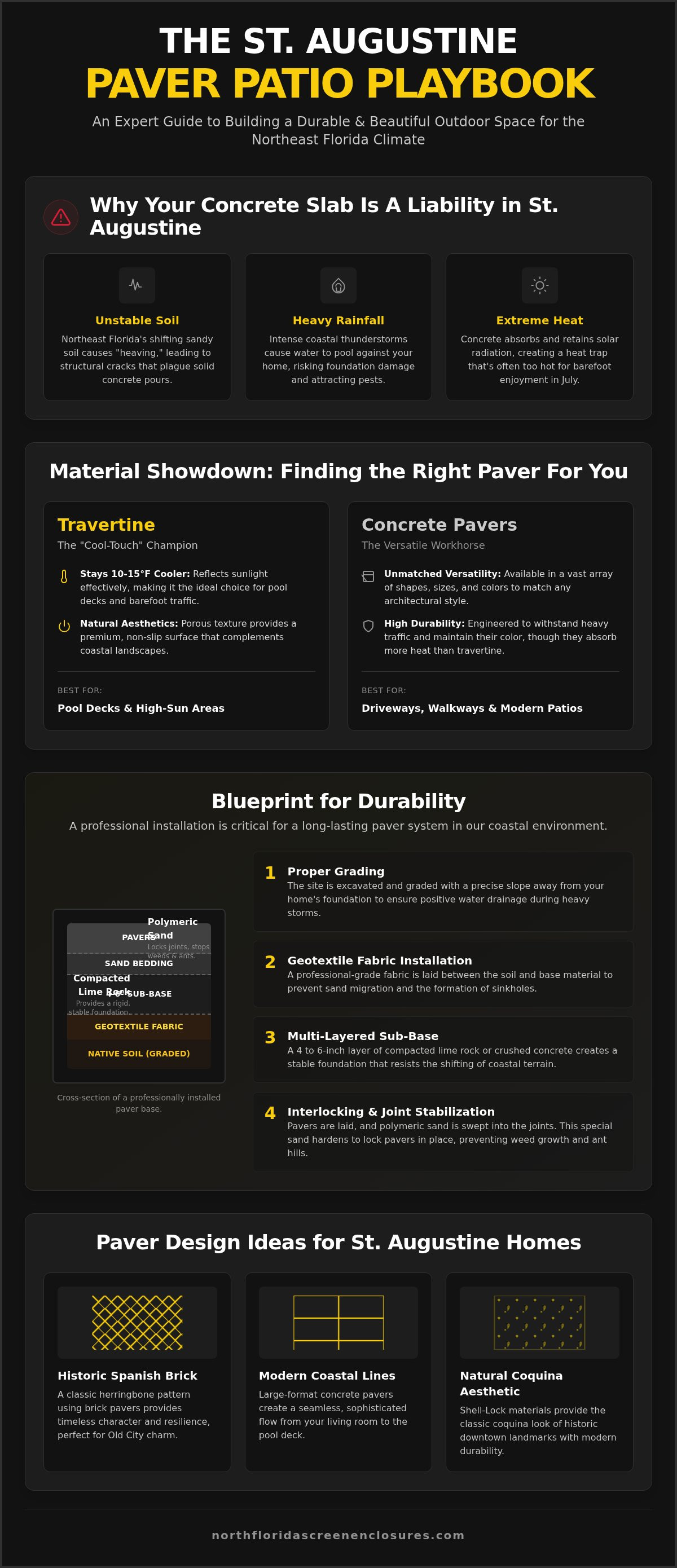
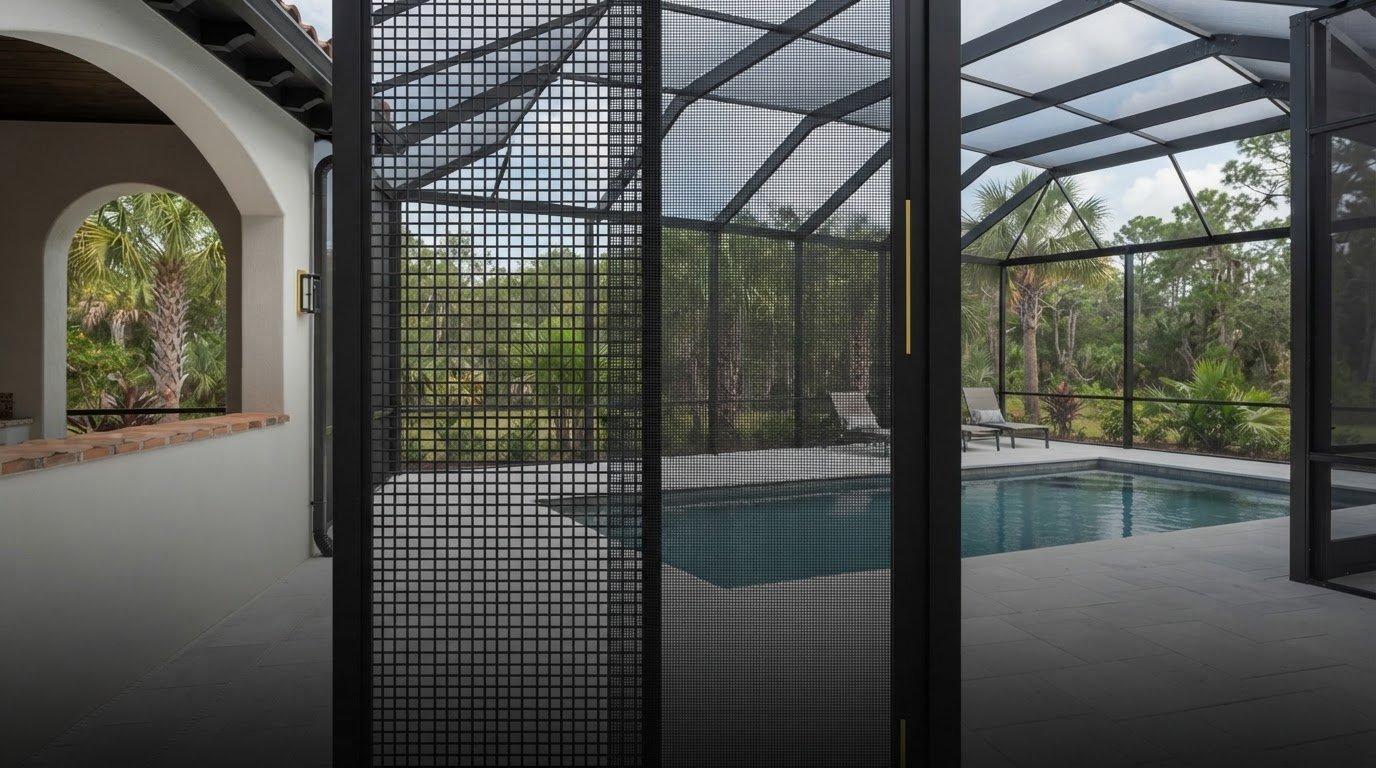
The Screen Enclosure Connection
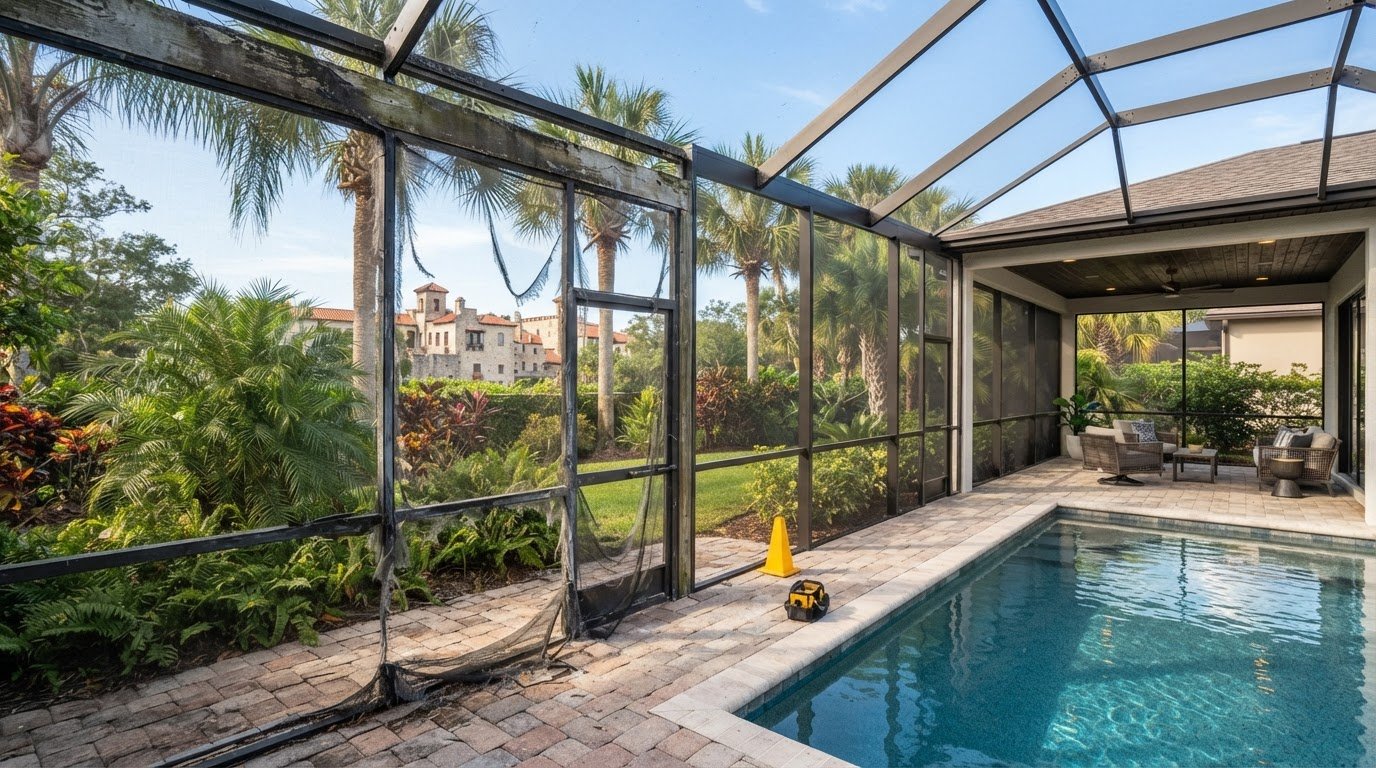
Integrating a screen enclosure requires precision to ensure a flush, trip-free entry. We secure the pool cage track directly to the paver deck using specialized anchors that penetrate the stone and the base material. To prevent "screen sag," the perimeter must be perfectly level and stable. This prevents the aluminum frame from twisting over time. For more technical details on structural best practices, see our guide on pool enclosure installation.
Beyond structural work, consider safety and utility. Low-voltage LED lighting can be integrated directly into paver steps and borders. This improves visibility during evening gatherings and highlights your paver patio design ideas Saint Augustine landscape features. If you're planning an outdoor kitchen, we design dedicated paver "islands" with extra reinforcement to support heavy appliances. Ready to build your complete outdoor oasis? Consult with our specialists today to ensure your patio is built to support your long-term vision.
Bringing Your Vision to Life: Installation and Maintenance
The transition from conceptualizing paver patio design ideas Saint Augustine families love to enjoying the finished product requires a methodical approach. Professional installation follows a specific five-step sequence: site excavation, sub-base compaction, sand screeding, stone placement, and final jointing. In St. Johns County, this process must account for local permitting and setback requirements, which often vary between the City of Saint Augustine and Saint Augustine Beach. Working with a contractor who understands these nuances prevents legal delays and ensures your project adheres to structural standards for coastal environments. A precise installation is the difference between a lifetime of enjoyment and a surface that begins to sink after the first season.
The Polymeric Sand Advantage
The final stage of installation involves filling the joints with polymeric sand. Polymeric sand is a high-tech jointing material that hardens when activated by water. For Florida homeowners, this material is non-negotiable because it effectively locks the units together, preventing them from shifting during intense tropical storms. This bond also acts as a barrier against the growth of mold and mildew in the joints, which is a constant struggle in our high-humidity climate. Additionally, it serves as a permanent deterrent for weeds and ants. It keeps your patio looking pristine without the need for constant chemical treatments or manual weeding.
Long-Term Care for Coastal Patios
Maintaining your investment is straightforward if you follow a consistent schedule. We recommend cleaning your pavers annually using low-pressure washing techniques. High-pressure settings can strip away the surface finish or dislodge the jointing sand, so a gentle approach is always safer. To protect against UV fading and the corrosive effects of salt-air erosion, you should have your patio professionally sealed every 3 to 5 years. This protective layer keeps the colors vibrant and prevents oil or food stains from penetrating the stone. It's an essential step for preserving the aesthetic appeal of your outdoor space.
One of the primary benefits of an interlocking system is the ease of repair. If a single stone becomes cracked or stained, you can replace it individually without disturbing the surrounding layout. This modular nature ensures that your backyard remains a beautiful, low-maintenance sanctuary for decades. By combining durable materials with precise installation, you create an outdoor room that withstands the elements while increasing your home's long-term value. These paver patio design ideas Saint Augustine residents choose are built to last when the right maintenance habits are in place.
Build Your Durable Saint Augustine Sanctuary
Creating a functional outdoor living space in Northeast Florida requires a balance of historic charm and modern engineering. We've explored how a specialized sub-base and thermal-smart materials like travertine solve the region's most common hardscaping challenges. By implementing these paver patio design ideas Saint Augustine residents can ensure their backyards remain cool, well-drained, and structurally sound for decades. Whether you're matching the "Old City" aesthetic or building a contemporary retreat in Nocatee, the right foundation makes all the difference.
As locally owned Saint Augustine experts, we specialize in integrated enclosure and hardscape solutions that protect your investment. We offer custom 3D design renderings to help you visualize your project before the first stone is laid. Our team understands the unique environmental demands of the First Coast and is ready to guide you through every step of the process. Request Your Free Saint Augustine Paver Design Consultation today to start planning your backyard oasis. You're just one step away from a beautiful, low-maintenance space that your family will enjoy for years to come.
Frequently Asked Questions
How much does a paver patio cost in Saint Augustine?
Residential installation costs depend on the material grade and the complexity of the site preparation. While budget-friendly concrete options exist, premium materials like travertine or porcelain require a higher investment. Homeowners should also account for professional grading and the specialized sub-base required for Saint Augustine's silty soil. We recommend a personalized consultation to determine the exact requirements for your specific backyard layout and material preferences.
Do I need a permit for a paver patio in St. Johns County?
Most patio installations in the City of Saint Augustine require a formal permit. There is a specific exemption for improvements on single-family homes costing less than $7,500, but this isn't automatic; you must apply for the exemption before work starts. St. Augustine Beach has separate ordinances regarding property line setbacks. It's vital to check with the St. Johns County Building Department to ensure your project complies with current local zoning laws.
What are the best pavers for a pool deck in Florida?
Travertine is widely considered the best material for Florida pool decks due to its "cool-touch" properties. It can stay significantly cooler than standard concrete, which is a major advantage during our peak summer months. When selecting paver patio design ideas Saint Augustine homeowners should also look for tumbled finishes. These provide essential slip resistance for wet areas, ensuring a safer environment for your family near the water.
How long does it take to install a 500-square-foot paver patio?
A typical 500-square-foot installation usually takes between three and five days to complete. The majority of this time is spent on critical site preparation, including excavation and the compaction of the lime rock base. While the actual laying of the stones happens quickly, the final jointing and compaction phases shouldn't be rushed. Weather conditions, particularly our frequent afternoon thunderstorms, can occasionally extend the project timeline by a day or two.
Can I install pavers over an existing concrete patio?
You can install pavers over an existing concrete slab using a method called an overlay. This involves using thinner pavers and a thin-set or sand bed to secure the new surface. However, you must carefully evaluate the height of your door thresholds and ensure the existing concrete has proper drainage. If the underlying slab is severely cracked or shifting, it's often better to remove it and build a proper flexible base.
How do I prevent weeds from growing between my pavers?
The most effective way to prevent weed growth is the professional application of polymeric sand. This specialized material hardens after activation, creating a durable seal that discourages seeds from taking root in the joints. Regular maintenance, including professional sealing every few years, further protects the integrity of the joints. This combination keeps your paver patio design ideas Saint Augustine looking clean and prevents ants from nesting beneath the surface.
Are pavers or concrete better for Saint Augustine homes?
Pavers are generally superior for Saint Augustine homes because they are an interlocking, flexible system. Our local sandy soil often shifts, which causes solid concrete slabs to crack and heave over time. Pavers distribute weight more effectively and can be easily adjusted if the ground moves. They also offer better drainage capabilities, which is crucial for managing the heavy rainfall common in Northeast Florida's coastal environment.
What happens if a paver sinks or shifts over time?
If a section of your patio sinks, the modular nature of pavers allows for a simple and targeted repair. A professional can lift the affected stones, add and compact additional base material, and then relay the original pavers. This process is much more cost-effective than repairing a cracked concrete slab, which usually requires a total replacement. It ensures your outdoor space remains level and aesthetically pleasing without a major construction overhaul.
Comments